The Gut-Brain Axis in Kids: How Digestive Health Shapes Learning and Brain Development
Your child's gut and brain are connected in surprising ways, and digestive issues can quietly impact their ability to focus and grow. Digestive comfort is about more than just avoiding tummy aches.

Ever noticed how your child struggles to focus or learn when they're dealing with stomach aches, bloating, or constipation? One moment they're engaged and curious, and the next, they're restless, uncomfortable, and can't concentrate. It's more common than you think.
What you might not realize is that your child's digestive discomfort (from hard stools to tummy pain) may be affecting their ability to learn, focus, and develop properly. This link is due to the gut-brain axis or connection.
Your child’s digestive health isn't just about avoiding tummy aches; it's about supporting brain development, learning capacity, and cognitive growth. When your child’s digestion is affected by discomfort , they can focus on learning and growing!
What is the Gut-Brain Connection in Children?
Did you know your child’s tummy and brain are constantly talking to each other? This is called the gut-brain connection. When their digestion is smooth, they feel calm and more ready to learn.
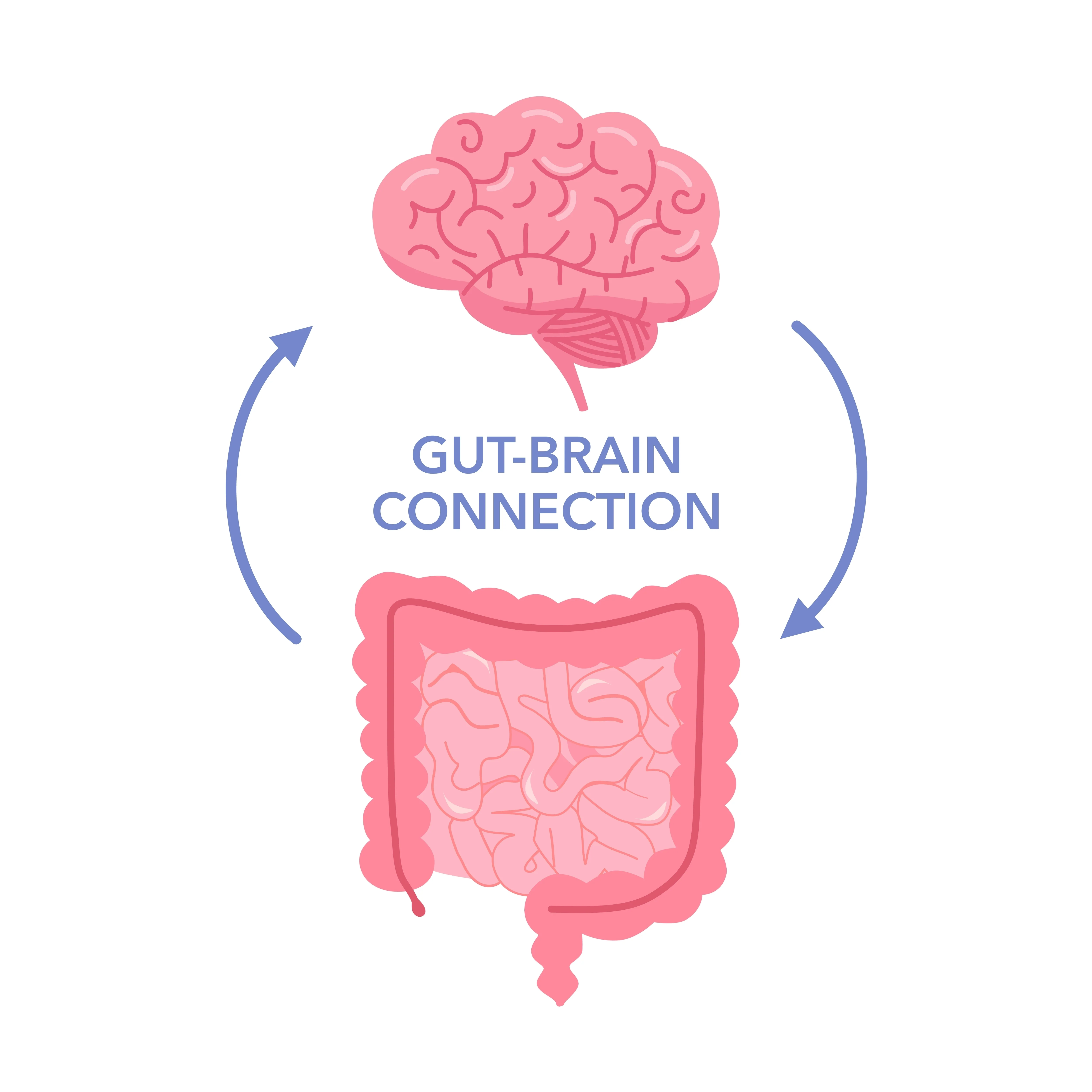
Here's how the gut-brain connection works in helping your child absorb information, learn, and develop:
- Two-way communication highway: Your child's gut and brain are connected through nerves, hormones, and immune signals. A healthy gut helps with better learning.1
- The gut produces brain chemicals: A healthy gut helps produce the right balance of “brain chemicals” like serotonin that helps with mood and focus.1
- Gut bacteria matter: The "good bacteria" in your child's digestive system doesn't just help digest food. They also produce substances that influence brain function, learning, and even emotional regulation.2
- Gut sends signals that could affect mood: When your child experiences digestive discomfort, their gut can send signals to the brain. These signals may trigger anxiety and stress, which may further interrupt your child’s learning time.3
Gut and Brain Out of Sync? How an Imbalanced Gut-Brain Connection Affects Learning
The occurrence of both constipation and gas can also be linked to gut health.9-10 When tummy issues like these happen, your child could lose focus, be crankier during study times, and suffer from poor sleep at night.
If your child struggles with learning time, it might be their tummy trying to tell you something. You might notice the following:
- Difficulty focusing on tasks or listening during learning time
- More fussiness and less interest in playing or exploring
- Restless sleep, which affects how well they absorb what they learned during the day
The good news? Supporting your child's digestive comfort means supporting their brain development too. Small changes can make a big difference.
Supporting the Gut-Brain Connection: Simple Steps for Happier Tummies and Sharper Minds
Supporting your child's digestive comfort doesn't have to be complicated. With a few simple, everyday habits, you can help their gut and brain work together better.4-5
- Add fiber gradually: Include fruits, vegetables, and whole grains, but start small if your child has a sensitive tummy.
- Keep them hydrated: Water helps digestion and prevents hard stools. Offer it throughout the day.
- Encourage movement: Active play helps keep digestion moving smoothly. Even a short walk after meals helps.
- Set regular mealtimes: Consistent meal times help regulate digestion.
- Watch for trigger foods: Keep a simple food diary if certain foods cause tummy troubles.
- Create calm mealtimes: Stress affects digestion. A relaxed environment helps both gut and brain.
- Allow bathroom time: Make sure your child has enough time and feels comfortable.
Nutrients That Support Digestive Comfort and Gut-Brain Health for Sensitive Tummies
Did you know the right nutrition can help prevent digestive discomfort before it starts. When your child's tummy is comfortable, they're less fussy and more ready to learn and play.
Certain nutrients help support easier digestion:
- Partially hydrolyzed proteins (PHP): These are proteins that have been gently broken down into smaller pieces, making them easier for little tummies to digest. This can help reduce bloating and discomfort.6 PHP can be found in specialized formula milk designed for sensitive tummies, like Enfagrow Gentlease 3+.
- PDX/GOS (prebiotic blend): This is a special blend of prebiotics that works like food for the good bacteria in your child's gut. The result? Softer, more frequent stools that are easier to pass, which means less constipation and more time for your child’s learning activities.7
- MFGM (milk fat globule membrane): Supports gut health by strengthening the intestinal lining, which can mean less diarrhea and tummy upsets. Research also shows it supports cognitive development, so it's helping both the gut AND the brain grow stronger together.8
Nutrient | What It Does | How It Helps Learning |
Partially Hydrolyzed Proteins (PHP) | Easier to digest proteins, reduces bloating and discomfort | Less tummy pain means better focus and mood |
PDX/GOS Prebiotics | Promotes softer, more frequent stools | Comfortable bathroom routine = less stress, better concentration |
MFGM | Strengthens gut lining, reduces diarrhea, supports brain development | Healthy gut + cognitive support = optimal learning conditions |
Supporting the Gut-Brain Connection Brings Digestive Comfort and Better Learning
The gut-brain connection shows us that digestive comfort isn't just about avoiding tummy aches. It's also about supporting brain development and focus. When your child's digestion is comfortable, they can concentrate better, sleep soundly, and fully engage in activities that help them grow.
Every child deserves to be comfortable as they grow through their critical learning years. Sometimes, the simplest way to support them is to provide nutrition that promotes both their comfort and digestive health.

if your child experiences fussiness, crying, gas, or spit-up that interrupts their learning, consider making the switch to Enfagrow Gentlease 3+. It helps provide rapid digestive discomfort relief within 24 hours and encourages easy, regular pooping vs regular cow’s milk.
Now with added prebiotics (PDX/GOS) + easy-to-digest proteins (PHP), our Best Ever formula (vs. previous formulation) can help promote improved sleep (in study with PHP milk containing PDX & GOS), a crucial aspect that also supports your child’s growing brain! Help address your little one’s digestive discomfort with Enfagrow Gentlease 3+, so they can focus on what matters: growing and learning with ease! (vs. regular cow's milk, with proper nutrition and stimulation)
Frequently Asked Questions
How to keep gut-brain axis healthy?
Keep your child's gut-brain connection healthy by offering fiber-rich foods, staying hydrated, and maintaining regular mealtimes. If your child has digestive discomfort, specialized formulas with easy-to-digest proteins can also help.
References
- Muhammad, F., Fan, B., Wang, R., Ren, J., Jia, S., Wang, L., Chen, Z., & Liu, X.-A. (2022). The molecular gut-brain axis in early brain development. International Journal of Molecular Sciences, 23(23), 15389. https://doi.org/10.3390/ijms232315389
- Chakrabarti, A., Geurts, L., Hoyles, L., Iozzo, P., Kraneveld, A. D., La Fata, G., Miani, M., Patterson, E., Pot, B., Shortt, C., & Vauzour, D. (2022). The microbiota–gut–brain axis: Pathways to Better Brain Health. perspectives on what we know, what we need to investigate and how to put knowledge into practice. Cellular and Molecular Life Sciences, 79(2). https://doi.org/10.1007/s00018-021-04060-w
- The gut-brain connection. Harvard Health. (2023, July 18). https://www.health.harvard.edu/diseases-and-conditions/the-gut-brain-connection
- Department of Health | Victoria State Government. (n.d.). Gut health. Better Health Channel. https://www.betterhealth.vic.gov.au/health/healthyliving/gut-health
- Standford Medicine. (n.d.). 5 ways to boost your child’s Gut Health. Stanford Medicine Children’s Health. https://www.stanfordchildrens.org/en/topic/default?id=5-ways-to-boost-your-childs-gut-health-197-29161
- Laatikainen, R., Salmenkari, H., Sibakov, T., Vapaatalo, H., & Turpeinen, A. (2020). Randomised controlled trial: Partial hydrolysation of casein protein in milk decreases gastrointestinal symptoms in subjects with functional gastrointestinal disorders. Nutrients, 12(7), 2140. https://doi.org/10.3390/nu12072140
- Fabrizio, V., Harris, C. L., Walsh, K. R., Wampler, J. L., Zhuang, W., & Wu, S. S. (2022). Softer more frequent stools in infants with difficult stooling fed hydrolyzed protein formula with added prebiotics: Randomized controlled trial. Frontiers in Pediatrics, 10. https://doi.org/10.3389/fped.2022.894626
- Mohamed, H. J., Lee, E. K., Woo, K. C., Sarvananthan, R., Lee, Y. Y., & Mohd Hussin, Z. A. (2022). Brain–immune–gut benefits with early life supplementation of milk fat globule membrane. JGH Open, 6(7), 454–461. https://doi.org/10.1002/jgh3.12775
- Yang, L., Wang, Y., Zhang, Y., Li, W., Jiang, S., Qian, D., & Duan, J. (2022). Gut microbiota: A new avenue to reveal pathological mechanisms of constipation. Applied Microbiology and Biotechnology, 106(21), 6899–6913. https://doi.org/10.1007/s00253-022-12197-2
- Kalantar-Zadeh, K., Berean, K. J., Burgell, R. E., Muir, J. G., & Gibson, P. R. (2019). Intestinal gases: Influence on gut disorders and the role of dietary manipulations. Nature Reviews Gastroenterology & Hepatology, 16(12), 733–747. https://doi.org/10.1038/s41575-019-0193-z