Let's Talk About Menstruation After CS: What Your Body is Going Through (and When)
Wondering when your period will return after CS delivery? Every mom's timeline varies but knowing what to expect makes the journey easier for both you and your little one.
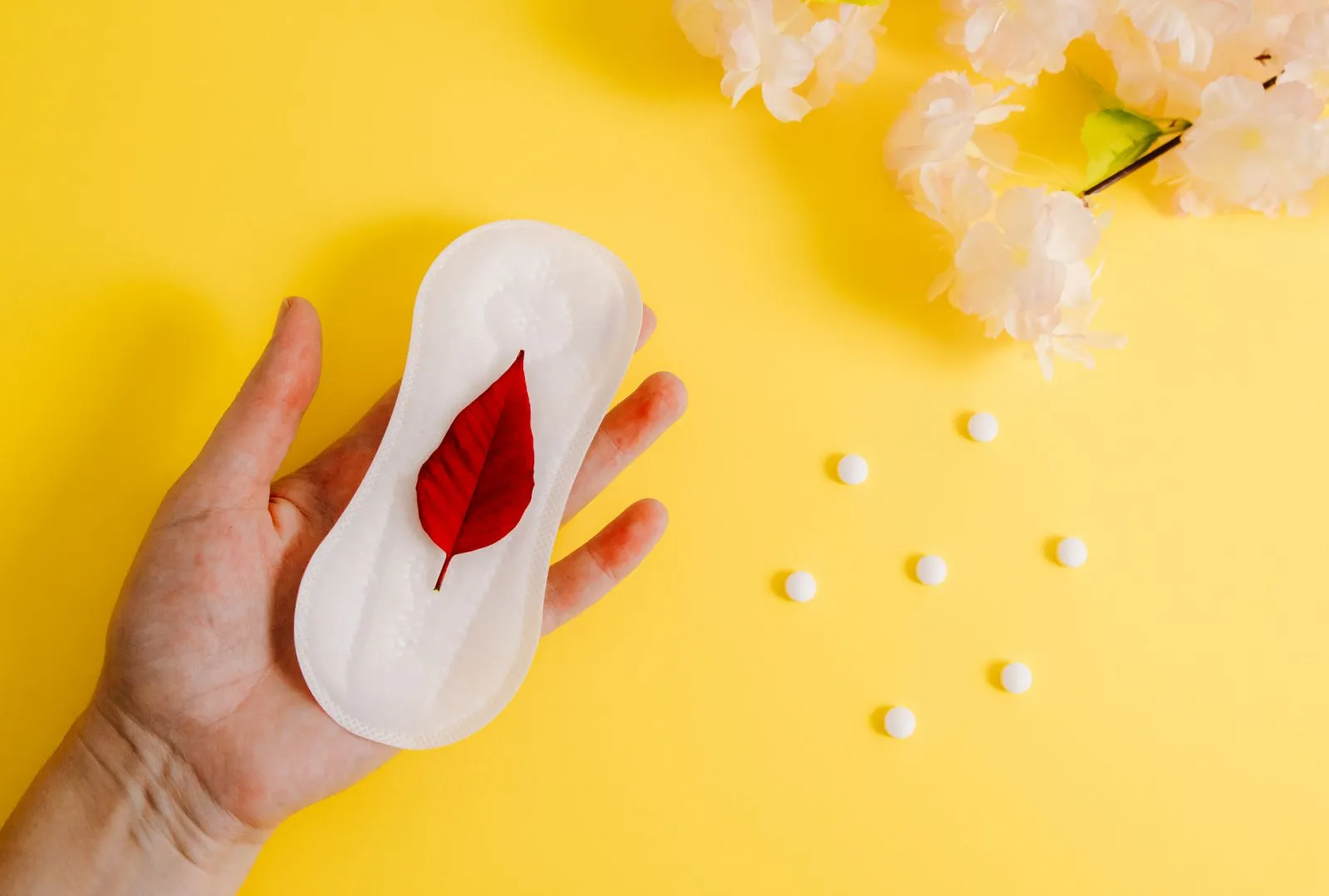
You've healed from your C-section, settled into life with your little one, and then your period shows up (or doesn't). We understand this will leave you with questions. When will menstruation after CS return? Why does it feel different? What's normal?
You're not alone in wondering. Your body went through major surgery, and it's still recalibrating. In this guide, we'll cover what to expect with your postpartum periods, when they'll likely return, and what to watch for.
Is It Back Yet? Pinpointing When Menstruation Starts After C-Section?
When it comes to first period after c-section, there’s no "normal" timeline, and that's okay! Research shows that about 1 in 3 women resume menstruation within 6 weeks of childbirth, particularly when not exclusively breastfeeding. But here's what really matters: whether your period returns in 6 weeks, 6 months, or in around year (especially if breastfeeding or on birth control), your recovery journey is unique .1-2, 13
Important: While going a year without your period isn't necessarily concerning if you're exclusively breastfeeding, you should consult your OB-GYN if your period hasn't returned even after you've stopped breastfeeding for several months. This could indicate other conditions like hormonal imbalances or thyroid issues. Also, remember that it's possible to ovulate and get pregnant before your first postpartum period returns, so don't rule out pregnancy either. For any concerns about your menstruation after C-section, your OB-GYN is your best partner in ensuring a healthy postpartum recovery. |
Note that your delivery method (vaginal or cesarean) affects postpartum vaginal bleeding (we'll get to that in a bit), but not necessarily when menstruation starts up again.2
Here are some gentle factors that influence when your period returns. But remember, none of these are things to stress about. They're just your body's natural rhythms:
- Breastfeeding frequency
- Your body’s unique hormone balance
- Your recovery pace
- Stress levels
- Sleep patterns
Lochia or Vaginal Bleeding vs. Menstruation: What’s the Difference?
Before your period returns, you will experience a bleeding called lochia (sometimes called "vaginal bleeding"). It’s simply the shedding of the uterine lining, and it’s not your period. It's crucial to know how to spot the difference:
- Lochia or vaginal bleeding (2-6 weeks after birth): Usually starts from the second week after CS delivery up to six weeks. This is your uterus shedding the lining it built during pregnancy, plus healing the spot where your placenta was attached (called the placental site). Bleeding may last longer but should be reduced by 12 weeks. It starts heavy and bright red, then becomes lighter, pinker/brown, and eventually yellow/white.6
- Menstruation: This is your first period. Menstruation is caused by the shedding of the uterine lining driven by a fluctuation of your hormones. The bleeding is heavier, brighter red again, and typically follows the six-week mark or later.
Description | Lochia or Vaginal Bleeding | Menstruation |
When it happens (onset) | 2-6 weeks after delivery | Weeks to months later |
Duration (how long) | 2-6 weeks then gradually lightens, but may continue by week 12 after onset | Typical period length (varies) |
Color, consistency, and flow progression | Starts heavy red, turns pink/brown, then white/yellow | Consistent period-like flow |
What it means | Normal postpartum healing | Your cycle has restarted |
Don't Be Surprised: What Changes About Menstruation After CS Delivery?
Your first few periods after CS delivery might feel a bit different, and that's completely normal! Your body has been through pregnancy, major surgery, and huge hormonal shifts, so it makes perfect sense that things feel different for a while. Think of it as your body finding its rhythm again.
Here are the common differences you might notice with your post-CS periods:7
- Heavier flow: Your first period is often heavier than what you were used to before pregnancy. This is just your body's way of shedding the extra uterine lining that built up during pregnancy. It might feel intense, but it's doing exactly what it should. Most moms find that flow levels even out after a few cycles.
- Cramping may change: You might experience cramps that feel more or less intense than before. Hormonal shifts are the main reason, though some moms notice the sensation feels different due to surgical changes. Everyone's experience is unique, and both more and less cramping are perfectly normal.
- Irregular timing: Expect things to be unpredictable for the first few months. Cycles may be longer, shorter, or seem to skip altogether, especially if you are breastfeeding. Your body is recalibrating, and it might take 3-6 months (or longer) to settle into a regular pattern again. Give yourself grace during this transition.
- Clotting: Seeing small blood clots can be completely normal, especially during the heavy days of your first period. Your body is just clearing things out. Just monitor the size: if they're consistently larger than a 10-peso coin, consult your doctor.4
These changes are temporary. Your body is incredibly resilient and will find its new normal. In the meantime, be patient with yourself. You're healing, adjusting, and doing great!
How Long Does First Menstruation Last After C Section?
Most moms find their period lasts about 5-7 days, similar to pre-pregnancy. However, your first period might last longer (7-10 days isn't unusual), and the duration can vary based on how you're feeding your baby.
When to Call Your Doctor: Red Flags for Menstruation After CS
While most postpartum menstrual changes are normal, your body has ways of signaling when something needs attention. Think of these as your body asking for support; not something to panic about, but important to know.
Contact your doctor if you experience:6,8
- Very heavy bleeding – Soaking through a pad every hour for 2+ hours consecutively
- Large clots – Passing clots bigger than a golf ball
- Fever above 38°C – Could indicate infection
- Severe abdominal pain or dysmenorrhea – Different from normal period cramps; sharp or worsening pain
- Foul-smelling discharge – A sign of possible infection
- Bright red bleeding – After your flow had already lightened or stopped for weeks
- Dizziness or fainting – May signal excessive blood loss
- Pain or tenderness around your C-section scar – Especially with redness or warmth
Your healthcare provider is your partner in recovery. When in doubt, it's always better to call and get reassurance than to wait and worry.
Menstruation After Cesarean and Motherhood: A Shared Journey with Your CS-Born Child
Just as you're navigating your first menstruation after CS and watching your scar heal, your CS-born little one is on their own recovery journey too. Here's something many moms don't know: babies born via C-section may miss out on beneficial bacteria that naturally "transfer” to your child’s gut during vaginal delivery.
During vaginal birth, babies are exposed to mom's healthy bacteria, which helps "seed" their gut microbiome. CS babies bypass this step, which can lead to dysbiosis (an imbalance in gut bacteria).9 This imbalance isn't just temporary. It can affect children's health well beyond their preschool years, impacting their immunity and metabolism with issues like asthma and type 1 diabetes.10
Moreover, research shows that gut health is deeply connected to your child's developing brain through something called the gut-brain axis.11 When the gut microbiome is out of balance, it can affect children's brain development, impacting their ability to focus, learn, and regulate their emotions.12
What CS Delivery Means for Your Child’s Gut | Why It Matters |
Microbial Imbalance (Dysbiosis) | Less exposure to beneficial bacteria at birth can mean a weaker gut and immune system. |
Gut-Brain Connection | The gut and brain "talk" to each other. An imbalanced gut caused by less “good” bacteria can affect brain development and learning. |
Long-Term Protection Needs | A strong foundation is critical, as this imbalance may affect health well into childhood. |
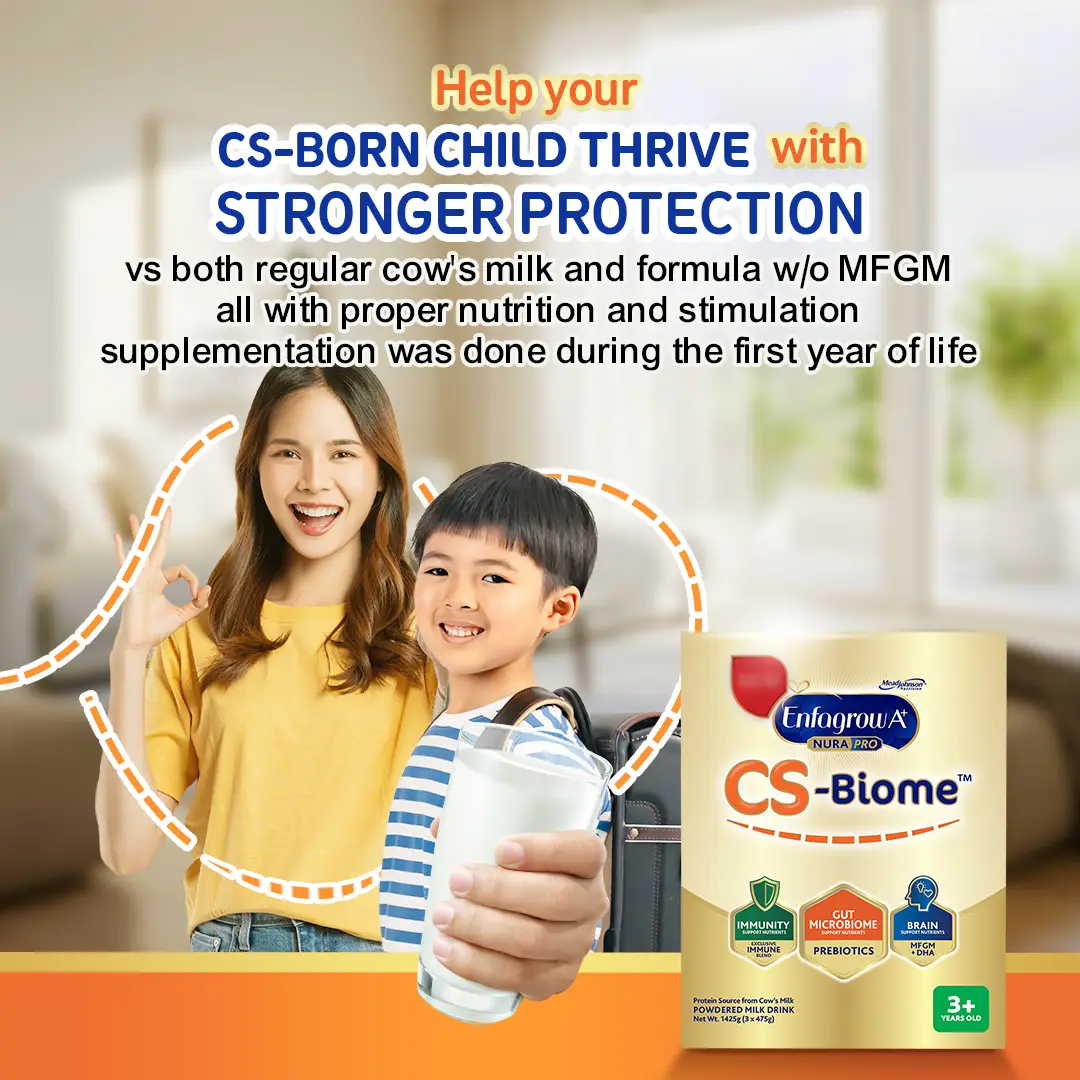
This is where specialized care steps in. Enfagrow A+ CS-Biome 3+ is the only milk specially designed with the C-Biome Blend (Exclusive Immune Blend with Prebiotics, MFGM + DHA). It’s a way to help provide your CS-born kid with STRONGER PROTECTION for their immunity and gut, while also supporting their brain development with MFGM + highest levels of DHA for learning and more. (vs. both regular cow’s milk and formula without MFGM, all with proper nutrition and stimulation, supplementation was done during the first year of life)
Trusting Your Body, Supporting Your CS-Born Child
Your body is incredible: healing from surgery, adjusting hormones, and figuring out its new rhythm. Whether menstruation after CS returns in weeks or months, remember that every mom's timeline is different, and yours is exactly right for you.
And just as you're giving yourself grace during recovery, your CS-born kid deserves that same thoughtful support. Enfagrow A+ CS-Biome 3+ helps provide CS-born kids STRONGER PROTECTION for their brain, immunity, and gut—the only milk specially designed with C-biome Blend with an Exclusive Immune Blend with Prebiotics for gut support + MFGM and highest levels of DHA (among formula milks) to support brain development. Because you're both on this journey together, building foundations for an A+ future. (vs. both regular cow’s milk and formula without MFGM, all with proper nutrition and stimulation, supplementation was done during the first year of life)
Frequently Asked Questions
When should I expect my period after a C-section?
It depends mainly on how you feed your baby. If you're exclusively breastfeeding, your period might return anywhere from 6-12 weeks, while formula or combination feeding typically brings it back within 5-8 weeks.
How do you know if it's my period or postpartum bleeding?
Lochia (postpartum bleeding) usually starts around 2-6 weeks after birth and gradually lightens from red to pink to yellowish-white. Your actual period comes weeks or months later and follows a more typical menstrual flow pattern.
What are the symptoms of first period after CS delivery?
Your first period after CS delivery might be heavier than usual, last longer (7-10 days), include small clots, and bring different cramping. Some moms feel more intense cramps while others have less, and your C-section scar area might feel tender.
What causes period changes after a C-section?
Hormonal fluctuations after pregnancy (especially prolactin from breastfeeding), plus months of uterine lining buildup and your body's overall recovery from surgery and childbirth, all contribute to changes in your menstrual cycle.
When to worry about periods after a C-section?
Call your doctor if you're soaking through one pad per hour for 2+ hours, passing clots larger than a golf ball, experiencing fever above 38°C, severe abdominal pain, foul-smelling discharge, or feeling dizzy and faint.
References
- Eleje, G. U., Ugwu, E. O., Dinwoke, V. O., Enyinna, P. K., Enebe, J. T., Okafor, I. I., Onah, L. N., Umeononihu, O. S., Obiora, C. C., Nweze, S. O., Emeka, E. A., Anyaoku, C. S., & Ezugwu, F. O. (2020). Predictors of puerperal menstruation. PLOS ONE, 15(7). https://doi.org/10.1371/journal.pone.0235888
- Harris, N. (2025, September 3). All about your first period after a C-section. Parents. https://www.parents.com/pregnancy/giving-birth/will-a-c-section-affect-my-periods/
- Pérez-López, F. R., López-Baena, M. T., & Pérez-Roncero, G. R. (2021). Prolactin secretion in women: Narrative review. Gynecology and Pelvic Medicine, 4, 20–20. https://doi.org/10.21037/gpm-21-4
- Patel, S. (2021, October 12). Will my period change after pregnancy?. UT southwestern medical center. UT Southwestern Medical Center. https://utswmed.org/medblog/period-changes-after-pregnancy/
- National Health Service. (2024, April 25). Your body after the birth. NHS Choices. https://www.nhs.uk/pregnancy/labour-and-birth/your-body
- Bleeding after a C-section (caesarean): What to expect. Tommy’s. (2024, December 16). https://www.tommys.org/pregnancy-information/giving-birth/caesarean-section/bleeding-after-c-section-what-expect
- Luzardo, H. (2025, April 18). First Period After Pregnancy: What to Expect. WebMD. https://www.webmd.com/baby/first-period-after-pregnancy-what-to-expect
- Ohashi, M., Tsuji, S., Kasahara, K., Oe, R., Tateoka, Y., & Murakami, T. (2024). Influence of cesarean section on postpartum fertility and dysmenorrhea: A retrospective cohort study in Japan. Women’s Health Reports, 5(1), 22–29. https://doi.org/10.1089/whr.2023.0109
- Salas Garcia, M. C., Yee, A. L., Gilbert, J. A., & Dsouza, M. (2018). Dysbiosis in children born by caesarean section. Annals of Nutrition and Metabolism, 73(Suppl. 3), 24–32. https://doi.org/10.1159/000492168
- Zhang, C., Li, L., Jin, B., Xu, X., Zuo, X., Li, Y., & Li, Z. (2021). The effects of delivery mode on the gut microbiota and Health: State of Art. Frontiers in Microbiology, 12. https://doi.org/10.3389/fmicb.2021.724449
- Morin, C., Bokobza, C., Fleiss, B., Hill-Yardin, E. L., Van Steenwinckel, J., & Gressens, P. (2023). Preterm birth by cesarean section: The gut-brain axis, a key regulator of brain development. Developmental Neuroscience, 46(3), 179–187. https://doi.org/10.1159/000534124
- Borrego-Ruiz, A., & Borrego, J. J. (2024). Neurodevelopmental disorders associated with gut microbiome dysbiosis in children. Children, 11(7), 796. https://doi.org/10.3390/children11070796
- Periods after pregnancy. Pregnancy, Birth and Baby. (2025, March 13). https://www.pregnancybirthbaby.org.au/periods-after-pregnancy